Licensed & Insured Best of Eastern CT 2025 Family-Owned Since 2022
Open Mon-Fri, 9 to 5
AGSM crew salting and checking a walkway for refreeze after a storm in Mystic, CT
Now Booking Snow
Limited snow routes. Reserve your spot before the first storm.
Snow & Ice Service
Licensed & Insured Best of Eastern CT 2025 Since 2022
Freshly laid sod lawn with visible seams after a lawn installation in Mystic CT
Lawn Installation & Expansion

Start it in the right three weeks and it takes care of itself.

Lawn installation in Mystic CT and across the southeastern shoreline. Sod, seed and hydroseed, on ground that has been graded and prepared properly first.

Booking the fall window Licensed & insured Free site walk
(860) 980-1129Prefer to talk? Call or text
Lawn Installation
Get Your Free Quote
Tell us about the area. We reply within one business day.
No spam. No pressure. Reply within one business day.
Licensed & Insured · Free, no-obligation quote

Got it.

Your request is in. Someone will reach out within one business day. Need us sooner? Call (860) 980-1129.

The window is open now

There are about three good weeks a year. These are them.

Cool-season grass wants warm soil and cooling air, and it wants the weeds to have stopped competing. That happens once a year in Connecticut, from late August into the middle of September, which is also the window UConn publishes for New England. Seed goes into ground that is still warm, comes up fast, and gets two months of fall to root before the frost.

Late Aug to mid Sep
The best window by a wide margin. Warm soil, cooling air, fall rain, and crabgrass finished for the year.
Mid Sep to late Oct
Still workable. Later than this and roots do not get established before the ground closes.
April to May
Second best, and it spends the whole summer fighting crabgrass that germinated at the same time.
June to August
Sod only. Seeding into summer heat is how people end up paying for it twice.

Sod is the exception. It can go down any time the ground is not frozen, which is exactly why it costs more.

Newly seeded lawn area covered in straw after a lawn installation in Mystic CT
Seed down and strawed in the last week of August. The straw is there to hold moisture, not to look tidy.
Sod, seed or hydroseed

Three ways to get grass. They are not interchangeable.

Roughly, sod is the most expensive and the fastest, seed is the cheapest and the slowest, and hydroseed sits between them. What decides it is usually the calendar and whether you can water.

MethodWalkable inNeeds from youPick it when
Sod
About two weeks. Instant green from day one.
Deep daily water for two weeks, then taper off.
You are outside the seeding window, you need it usable fast, or the area is on a slope that would wash.
Seed and straw
Six to eight weeks to a real lawn. Green fuzz in ten days.
Keep it damp daily for three weeks. Not soaked, damp.
You are inside the fall window, the area is flat, and cost matters more than speed.
Hydroseed
Four to six weeks. Faster and more even than dry seed.
Same watering as seed, and the mulch holds moisture better.
Large areas, or slopes where loose seed and straw would move in the first storm.
The honest version: most people should seed in the fall. Sod is worth its price when you genuinely cannot wait or cannot water, and there are plenty of both. We will tell you which one you are on the walk rather than quoting the dearest option by default.
What a proper install is

Nearly every failed lawn failed before the seed went down.

It is almost never the seed. It is compacted ground, four inches of nothing to root into, or water that was still sitting there. Six steps, in order, and the first four all happen before anything green appears.

Screened topsoil spread and raked level ready for seeding on a Connecticut property
This is the stage that decides the result. The green part is comparatively easy.
01

Find out why the last one failed

If grass would not grow here before, something caused that, and putting new seed on it changes nothing. Usually shade, water, or ground you cannot get a fork into.

02

Water first, always

If the area holds water it gets drained before it gets seeded. Seeding a wet corner is the most expensive way to grow moss.

03

Break the compaction

Ground driven over during construction is effectively pavement. Topsoil laid straight onto it gives roots four inches and a hard stop underneath.

04

Grade and screened loam

Shaped so water runs off rather than sits, then imported screened loam where the existing soil is not worth saving. See regrading.

05

Seed, sod or hydroseed

Sown at the right rate with a mix chosen for the sun, shade and soil you actually have, not whatever came off the pallet.

06

Straw, erosion control, and the plan

Strawed to hold moisture, blanket on anything sloped, and a written watering schedule. That last one is not a formality, see below.

Five things to know first

Lawn installation in Mystic CT has a few local rules.

The first one is the one that decides whether you get a lawn, and it is not our job. It is yours.

Watering is your side of it

More new lawns die of thirst in week two than of anything else. Seed needs the top inch kept damp every day for about three weeks, and new sod needs a deep soak daily for two. If nobody will be there to do that, say so and we will steer you to sod in the fall or to waiting. It is not a reason to sell you something that will fail.

The mix is chosen for the spot

Tall fescue takes sun, drought and traffic, which suits most open lawns here. Fine fescue is what actually grows under mature oaks. Perennial rye covers fast and bluegrass knits the whole thing together. A single bag of one thing across a whole property is a guess.

Near the water is different ground

Shoreline properties in Mystic, Noank and Stonington sit on sandier, faster-draining soil and take salt spray in a winter storm. They want more organic matter worked in and a more drought-tolerant mix than the same size lot in Ledyard or Norwich.

Slopes need holding down

Loose seed and straw on a bank goes to the bottom in the first real storm, taking the loam with it. Anything with real fall gets an erosion blanket, hydroseed, or sod, and that decision gets made before the soil is spread rather than after.

Expansion has a join

Adding to an existing lawn means new grass meeting old grass, and it will not match perfectly in the first season. Matching the mix to what is already there narrows the gap, and by the second year you cannot see the line.

Our commitment

We come back and look at it.

A new lawn is not finished the day it goes in, so we come back and check germination rather than leaving you to work out whether it is going well. If an area has not taken and the watering was done, we overseed it. Utilities marked through Call Before You Dig, certificate of insurance before work starts, every time.

Jordan & CJ · Owners
Booking the fall window

The window closes in mid September.

Which is not us creating urgency, it is just when cool-season grass will and will not root. Book the walk now and there is still time to prepare the ground properly before seed goes down. After mid September it is sod, or it is April.

Free site walk · the method recommended for your ground, not the dearest one · written watering schedule

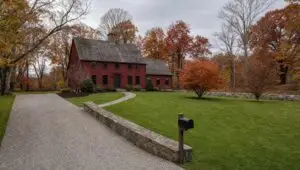
Two weeks after install Freshly laid sod lawn with visible seams after a lawn installation in Mystic CT
Questions

Straight answers about lawn installation in Mystic CT.

Is it too late to seed this year?

Not yet. Late August into mid September is the best window there is, and seed will still take into late October. After that it is sod, or wait for April.

Sod or seed?

Sod if you need it usable soon, cannot water reliably, or you are outside the window. Seed if you are in the window, the ground is flat, and cost matters more than speed. Most people in late August should seed.

How much watering are we talking about?

Seed wants the top inch damp every day for about three weeks. Sod wants a deep soak daily for two, then less. If nobody will be home to do it, tell us before we quote rather than after.

When can I mow it?

New seed at about three inches tall, usually four to six weeks, and take a third off with a sharp blade. Sod once it has knitted down and does not lift when you tug a corner, roughly two weeks.

Can you just top up the bare patches?

Often, yes, and overseeding is far cheaper than a full install. But if the patches keep coming back in the same places, the ground is telling you something and seed will not answer it.

Do you do commercial?

Yes, including hydroseeding, which is what large areas and slopes usually want. Commercial work runs across the state rather than just the shoreline.

Related reading

More on soil, water and growing grass here.

What is actually going on under a southeastern Connecticut lawn, and what it takes to put it right.

We use cookies

We use cookies to improve your experience on this website. You may choose which types of cookies to allow and change your preferences at any time. Disabling cookies may impact your experience on this website. You can learn more by viewing our Cookie Policy.