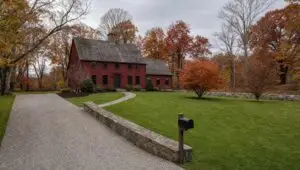
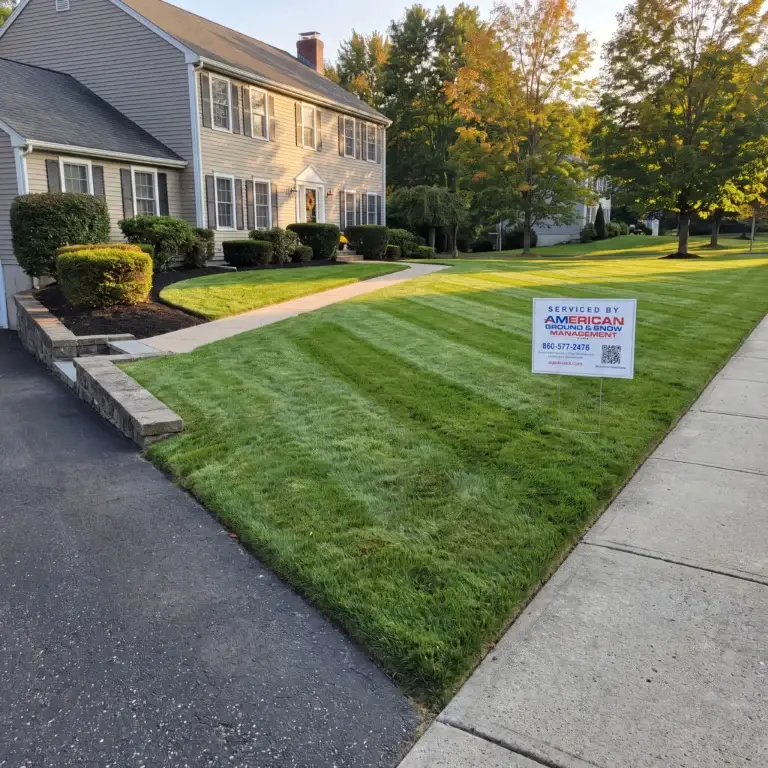
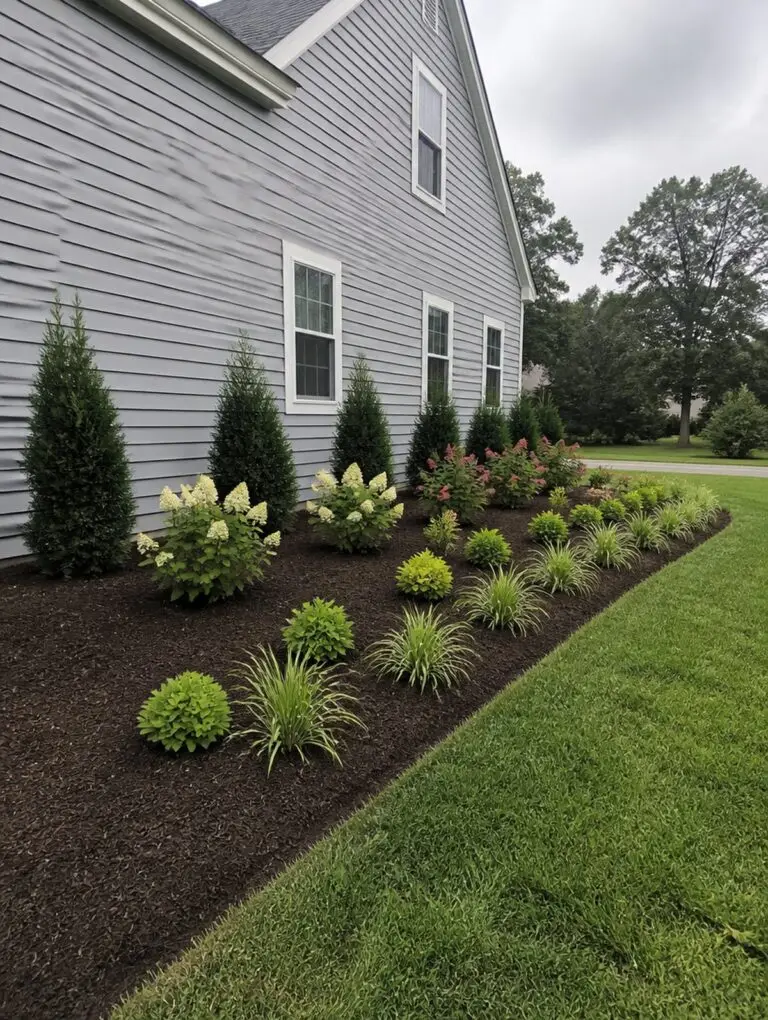
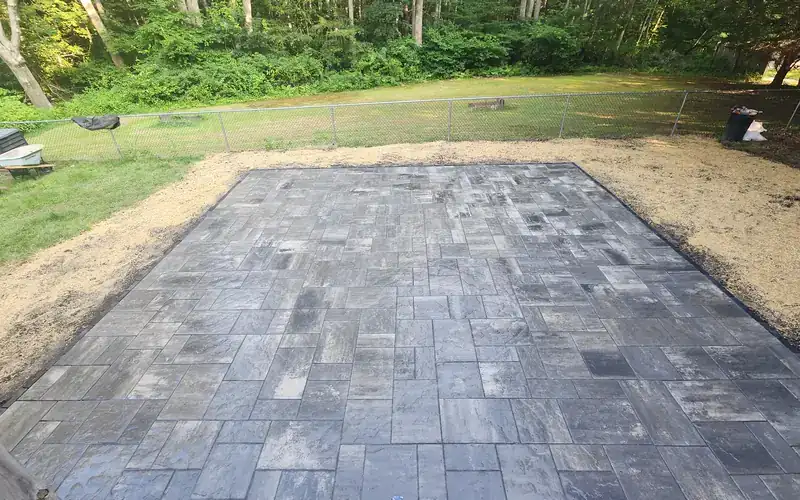
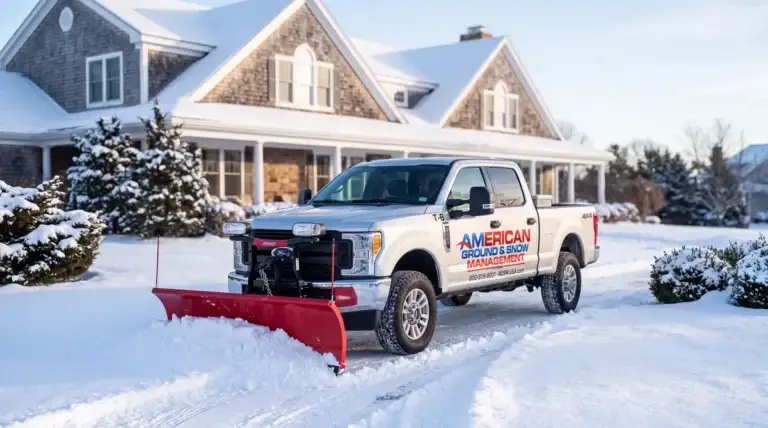
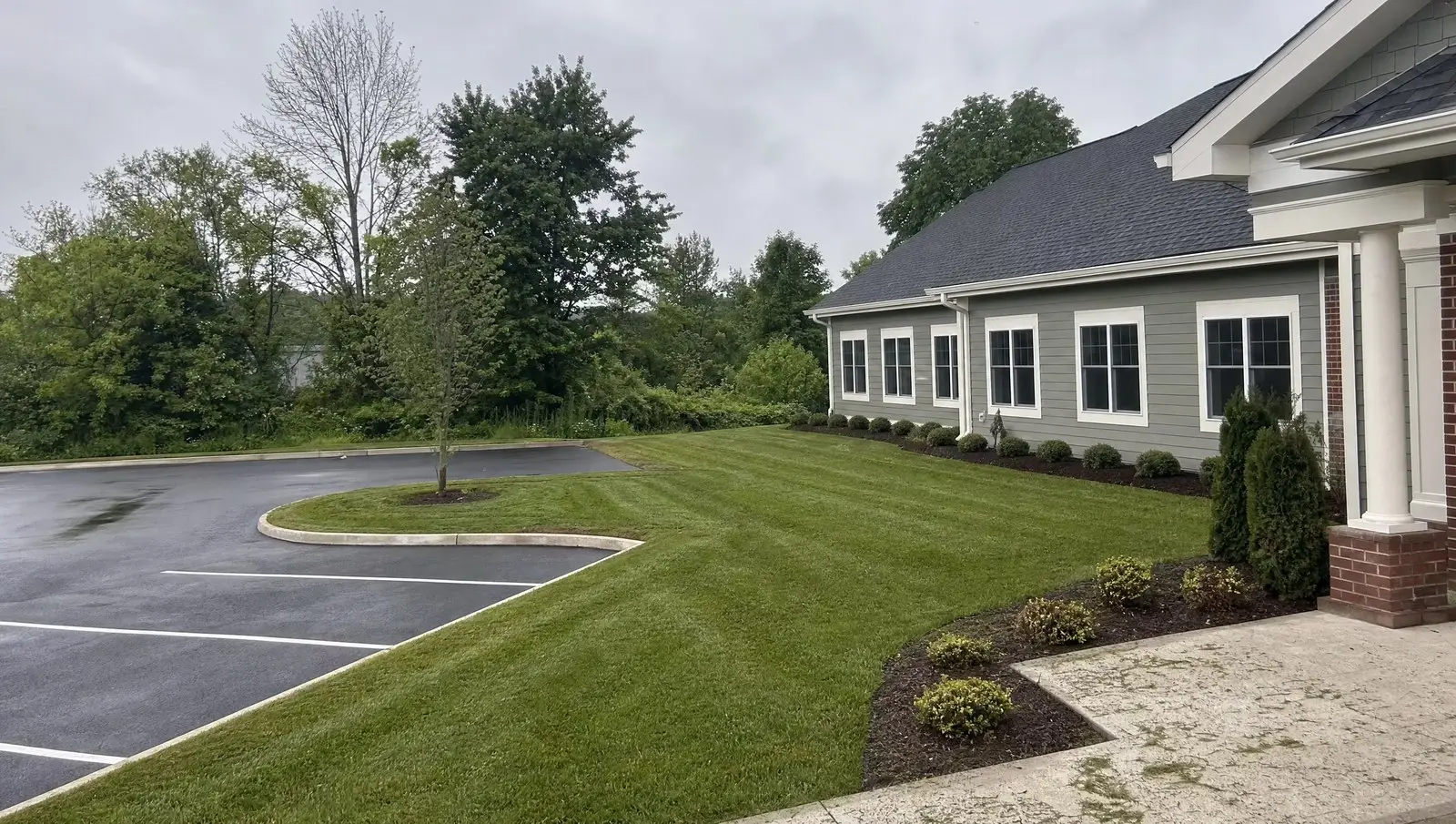
Commercial grounds maintenance Connecticut property managers rely on is not just mowing the lawn every other week. It is a year-round contract that keeps a property safe, presentable, and code-compliant through mud season, hurricane remnants, leaf drop, ice storms, and the first hot week of June when the irrigation lines wake up cranky.
If you manage a medical office in Groton, a condo association in Mystic, or a light industrial park off I-95, you already know the pain. One vendor mows. A different guy handles the shrubs. The snow contractor is a phone number you hope still answers in January. Something falls between the cracks and it is always your problem to solve at 6:47 AM on a Tuesday.
Here is what a real full-service contract actually covers, and why more Connecticut HOAs and business properties are consolidating everything under one landscape contractor.
What a Full-Service Commercial Grounds Maintenance Contract Includes
A proper full-service agreement is built around the calendar, not the invoice. The property gets attention every week from April through November, and it gets covered by a signed snow contract from November through April. Everything is scoped upfront so there are no surprise change orders in July.
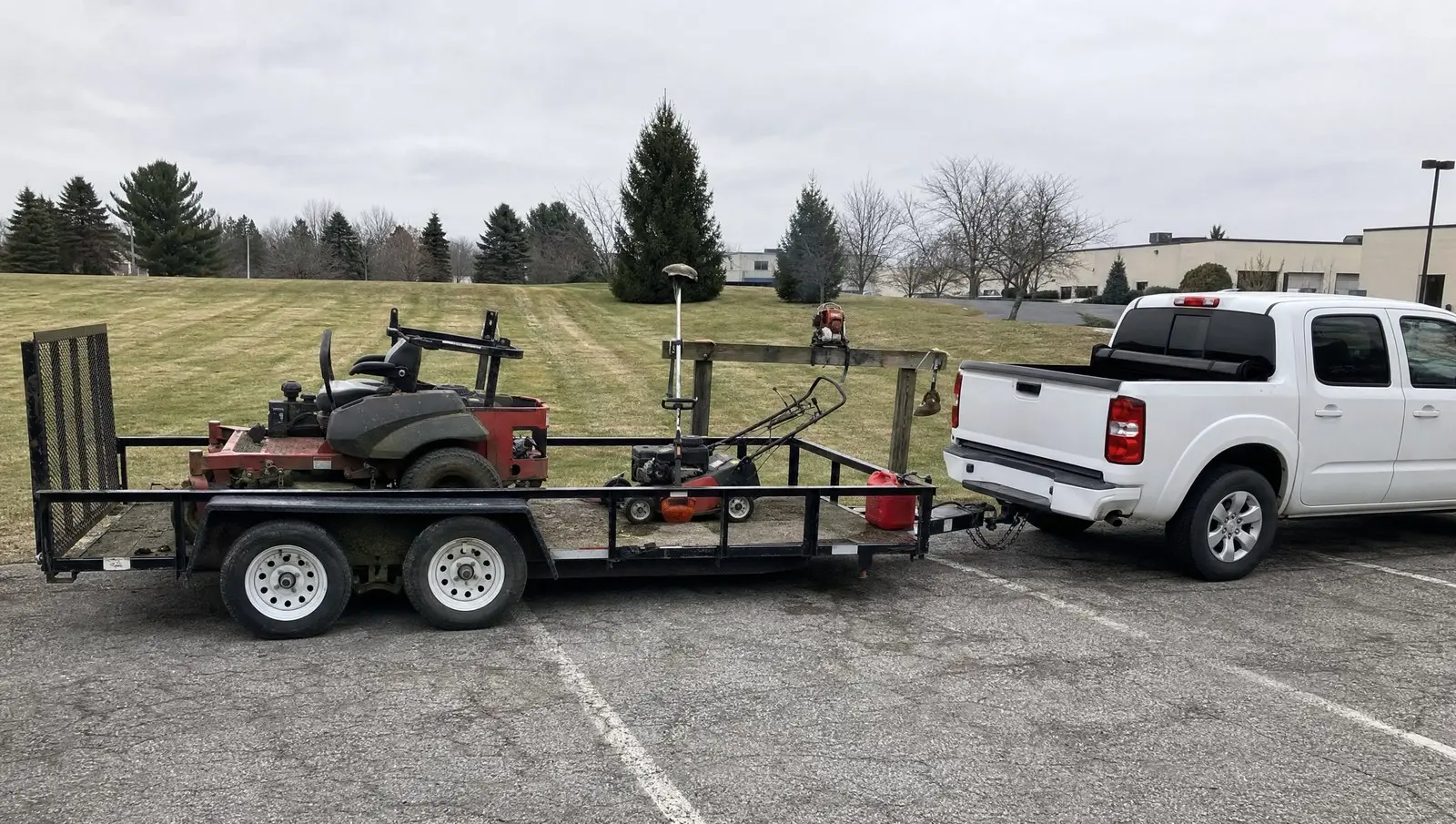
Weekly and Seasonal Landscape Work
- Mowing and edging on a set weekly schedule, with clean lines along walkways, curbs, and bed edges
- Spring cleanup including bed cutbacks, dethatching, and debris removal from winter
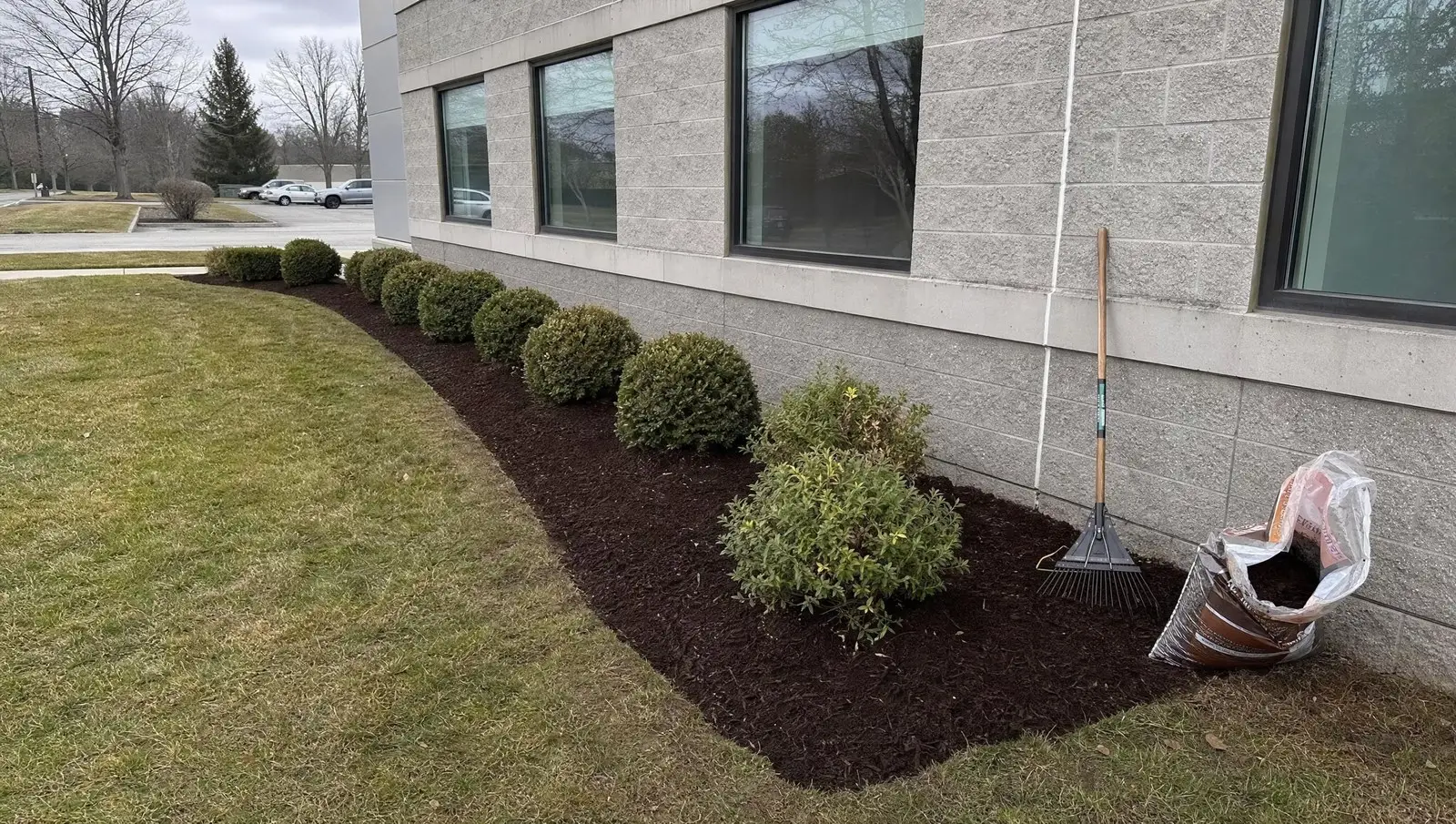
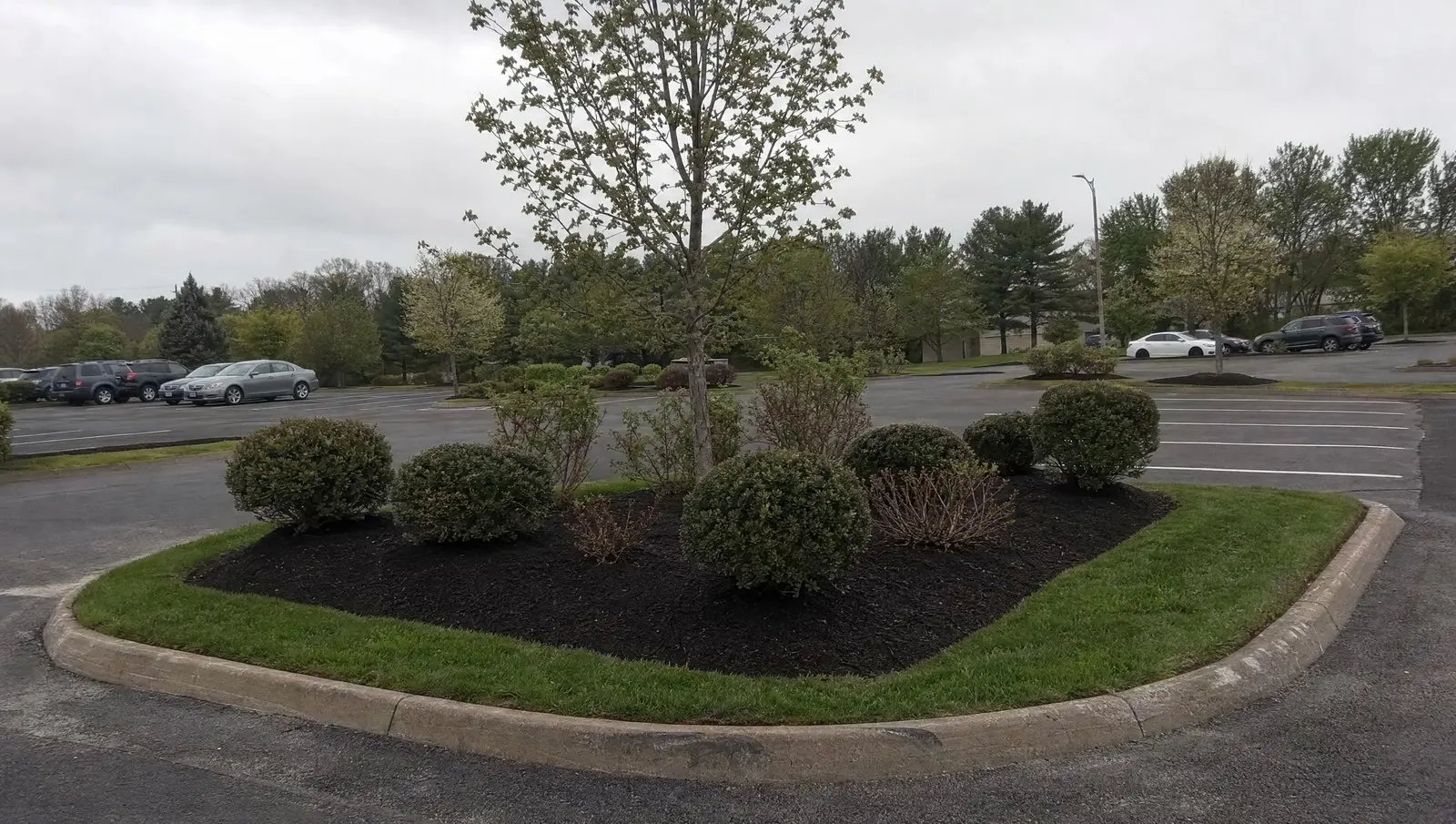
- Mulch installation in the spring, usually 2 to 3 inches in all landscape beds
- Bush and shrub trimming at the right time of year for each species, not just when they look shaggy
- Annual flower rotations at entrances and monument signs, spring through fall
- Turf care including fertilization, aeration, overseeding, and weed control
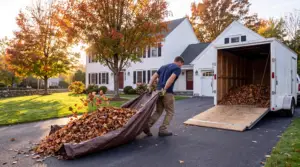
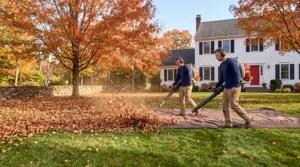
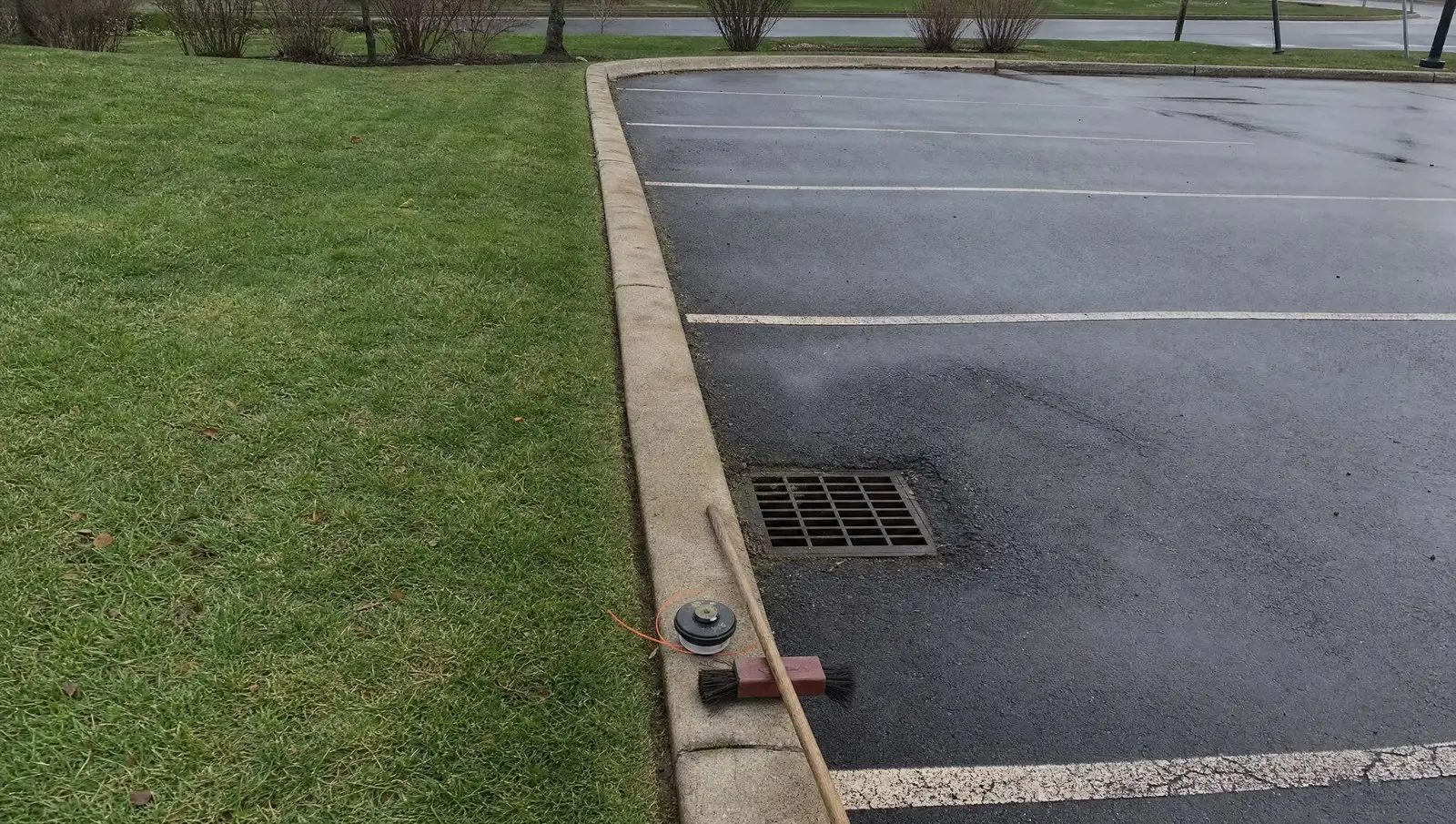
- Fall cleanup and leaf removal that keeps drains, catch basins, and walkways clear
Site and Tree Care Included
- Tree and shrub pruning to keep sightlines open and branches off buildings
- Storm damage response and hazard tree removal when a nor’easter comes through
- Stump grinding after removals so nothing gets left behind for a mower to hit
- Bed maintenance including weeding, edging, and mulch top-offs mid-season
Why Commercial Grounds Maintenance in Connecticut Has to Include Snow
This is the part most property managers learn the hard way. In New England, your landscape contractor and your snow contractor need to be the same company, or your winter is going to be a mess.
Here is why. The crew that mows your lawn in July is the crew that knows where every catch basin is buried, where the fire hydrant sits at the back of the lot, and which curb section always gets clipped by the plow. That institutional knowledge does not exist inside a stand-alone snow company that shows up in December for the first time.
A serious commercial grounds maintenance Connecticut contract folds snow management directly into the scope:
- Pre-storm site walks to confirm hydrant markers, drain locations, and stake all bed edges
- Plowing triggers that are written into the contract, usually a 2-inch accumulation for most commercial lots
- Sidewalk crews that clear entrances, ADA access ramps, and building perimeters
- Salt and de-icing applied per storm, with material tracked and reported
- 24/7 storm response during an active event, not a return call the next morning
ADA compliance on sidewalks and entrances is not optional. A slip-and-fall claim at your property is the fastest way to make a facilities manager wish they had spent an extra $400 a month on a properly staffed snow contract.
Why HOAs and Businesses Choose One Vendor Year-Round
The math is simple. When one contractor holds both the summer landscape contract and the winter snow contract, the property gets better care and the paperwork gets cut in half.
One Point of Contact
You call one number for a downed tree limb in October, a broken irrigation head in June, or a plow that has not been through yet at 5 AM in February. That is worth more than most property managers realize until they lose it.
Priority Response During Weather Events
Snow contractors triage their route. Full-service maintenance clients almost always land at the top of the route list because there is a bigger relationship at stake than a single storm invoice. Stand-alone snow-only accounts get plowed when the truck rolls past.
Better Budgeting Across the Year
A year-round contract can be built as a flat monthly fee across 12 months, which levels out the cash flow instead of hitting the association with a $12,000 spring cleanup invoice in April and a $9,000 snow bill in February. According to the National Association of Landscape Professionals, consolidated maintenance contracts also tend to lower total annual cost by 8 to 15 percent versus piecemeal vendor management.
Institutional Property Knowledge
The same crew is on your property 50-plus times a year. They know that the drain at the back of the lot backs up when leaves pile up in November. They know the sprinkler zone by unit 12 has been finicky since 2023. They know which resident always parks in the fire lane. That knowledge is not written down anywhere. It walks off the property the day you switch vendors.
What to Look For in a Commercial Landscape Contractor
Not every landscape company can carry a full-service commercial contract. When you are vetting a contractor for a condo association, a medical office park, or a retail plaza, the checklist looks like this:
- Full crew capability across mowing, hardscape repair, tree work, and snow. If they subcontract half of it, you are back to managing multiple vendors, just with one invoice.
- Written scope of work that spells out visit frequency, materials, and response times. Handshake deals become disputes in year two.
- Proper insurance including general liability at $2M minimum, commercial auto, and workers’ comp. Ask for the certificate before signing.
- Snow contract in writing with defined triggers, sidewalks scope, and salt application terms. Verbal snow agreements are a coin flip.
- Local presence with equipment stored inside your service area. A crew driving 90 minutes to reach your property in a snowstorm is a crew that shows up late.
- References from similar properties, not just residential clients. Commercial and HOA work is a different animal than a home lawn.
If you are looking at this from the residential side of a property management portfolio, the same principles apply but the scope shifts. We break that down in more detail on our residential property management page, since HOA and multi-family properties often need a hybrid of commercial-grade contracts with residential-level attention.
The Real Cost of Managing Multiple Vendors
Property managers who juggle four or five separate landscape and snow vendors are usually spending 6 to 10 hours a month just on coordination. Approving invoices from different companies. Chasing certificates of insurance. Explaining the same property quirk to five different crews. Sending emails at 11 PM the night before a storm to confirm the snow guy is coming.
That is real money in labor cost, even if nobody bills it that way. Consolidating into one full-service commercial grounds maintenance Connecticut contract typically saves 5 to 10 percent on hard costs, but the soft cost savings from not managing multiple vendors is where property managers really win their time back.
The Bottom Line for Connecticut Property Managers
Commercial grounds maintenance Connecticut properties need is a year-round discipline, not a summer service. If your landscape contractor cannot also hold your snow contract, they are not really a commercial landscape contractor. They are a mowing company hoping to get lucky with the weather.
The HOAs and businesses that get this right pick one vendor with the crew size, equipment, and insurance to carry the property from April through March. They lock in the snow contract by September, before the first flake, and they keep the same crew on the property for years so the institutional knowledge compounds.
If you are evaluating your grounds maintenance and snow contracts for the upcoming year, get the snow scope signed first. The landscape work follows the calendar, but snow follows the storm, and the storm does not wait for a purchase order. For more on how we approach commercial and HOA properties across New London County and the rest of Connecticut, take a look through our blog or reach out for a walkthrough of your property.