

Commercial snow removal Connecticut property managers rely on is not a truck showing up when the storm ends. It is a plan you sign in September, a crew that is already on the road before your first employee leaves the house, and a paper trail that proves your sidewalks were salted at 4:47 a.m. If you have never contracted this out before, or if last winter left you calling your old vendor at 6 a.m. wondering where they were, here is what a real commercial snow contract actually looks like in Connecticut and how the good crews keep your property open, walkable, and defensible when a slip-and-fall claim lands on your desk.
Your contract gets signed in the fall, not after the first flake
The first thing to understand about commercial snow removal in Connecticut is that the season is sold out by early November. Serious contractors cap the number of accounts they take, because a plow truck can only cover so many properties inside a reasonable response window. If you are calling around in December looking for a vendor, you are picking from whoever has capacity left, and that is rarely the crew you want at 3 a.m. during a 14-inch nor’easter.
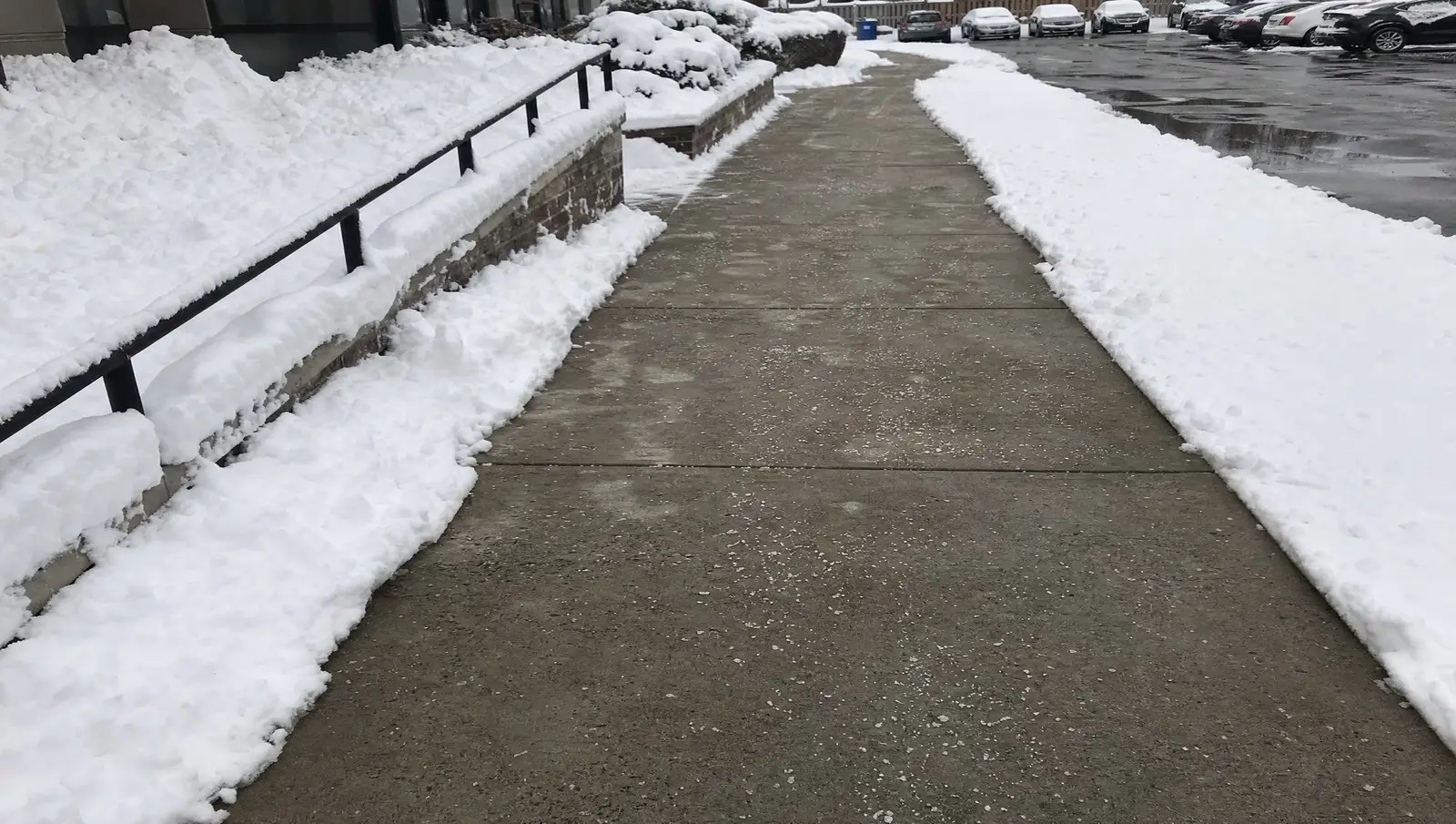
A real seasonal contract locks in your site before winter starts. It spells out the trigger depth (usually a 1-inch or 2-inch accumulation), the surfaces covered (drive lanes, parking stalls, fire lanes, sidewalks, ADA ramps, entry mats, dumpster pads), whether salting is included or billed per application, and what the response window looks like. Read that response window carefully, it is the single most important line in the whole document.
Seasonal, per-push, or per-event pricing
You will see three pricing structures in Connecticut. A seasonal contract is one flat rate for the whole winter, which is how most banks, medical offices, and HOAs prefer to budget. A per-push contract charges each time the crew comes out, based on accumulation tiers. A per-event contract charges once per storm, no matter how many pushes it takes. Seasonal is the most predictable and usually the fairest over a full winter in New London County, where we can get a mild year with three plowable events or a punishing year with fifteen.
Response times are the whole game
When a Connecticut commercial snow contract quotes a response time, it usually means the crew is on your property within a set number of hours of the trigger depth being reached. For a medical office or a grocery store, that window is typically 2 hours from trigger, with sidewalks cleared and salted before the doors open. For an industrial site with a later opening, 4 hours may be acceptable. For a 24-hour facility, the crew is on rotation the entire storm, plowing the lot on repeat as accumulation builds so you never end up with 10 inches to move at once.
Ask any contractor you are considering how many trucks and sidewalk crews they run, and how many accounts each truck covers per route. If one truck is covering eight properties spread across Groton, Mystic, and Stonington, math tells you the last account on that route is not getting the same 2 a.m. service as the first one. Route density matters, and it is the reason we build our commercial snow routes tight, keeping accounts inside New London County clustered so no client is ever the last stop 45 minutes away.
Salting and ice management is where properties actually get sued
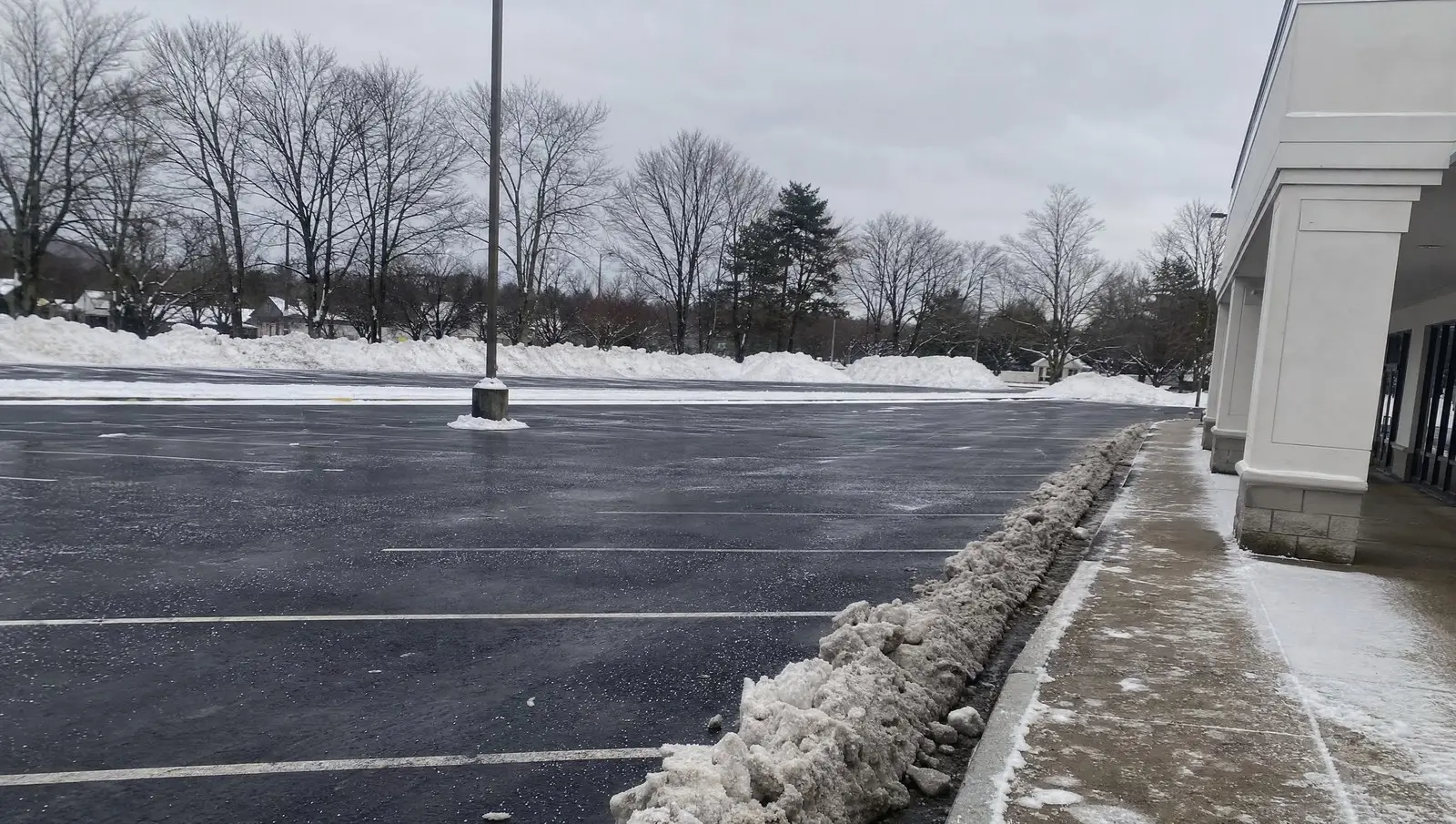
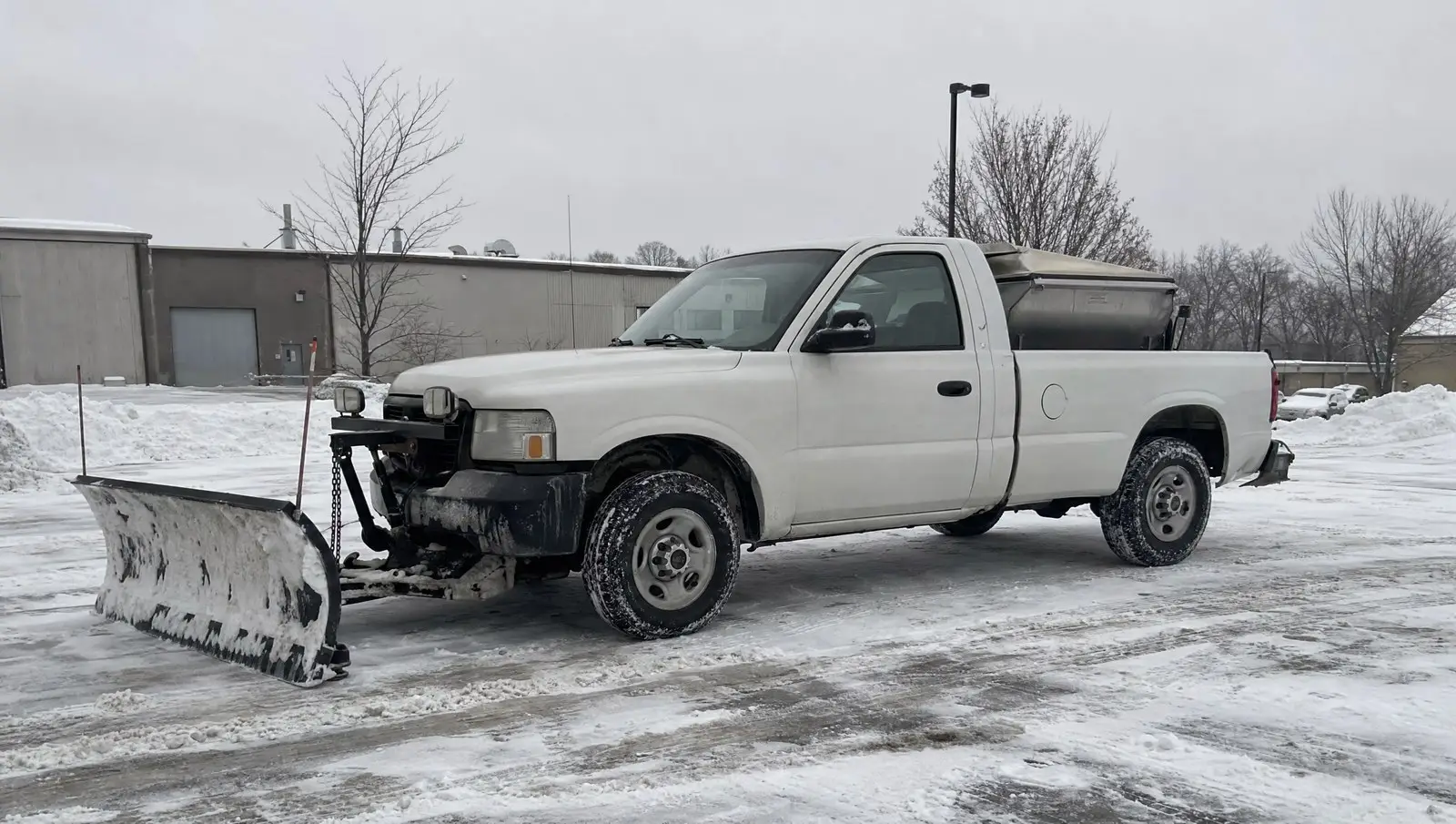
Here is the part most first-time buyers of commercial snow removal in Connecticut underestimate. The plowing gets the accumulation off. It is the ice underneath, the black ice at dawn, and the refreeze at dusk that put people on the ground. Slip-and-fall claims in Connecticut regularly cite improper ice management, not the presence of snow.
A proper ice-management program includes three separate applications:
- Pre-treatment (anti-icing). Before a storm arrives, the crew applies a liquid brine or a light rock-salt broadcast across drive lanes, walkways, and entry points. This prevents snow and ice from bonding to the pavement, which cuts plow time and dramatically reduces refreeze.
- During-storm applications. As the crew makes plow passes, sidewalk teams follow with salt or a treated blend across all walking surfaces, ADA ramps, and building entrances.
- Post-storm and refreeze monitoring. The most missed step. A truck comes back after the storm has cleared to hit shaded corners, north-facing walkways, and areas where melt has run and refrozen overnight. This is the pass that keeps your property safe from 5 p.m. Sunday through 8 a.m. Monday.
What contractors use, and why it matters
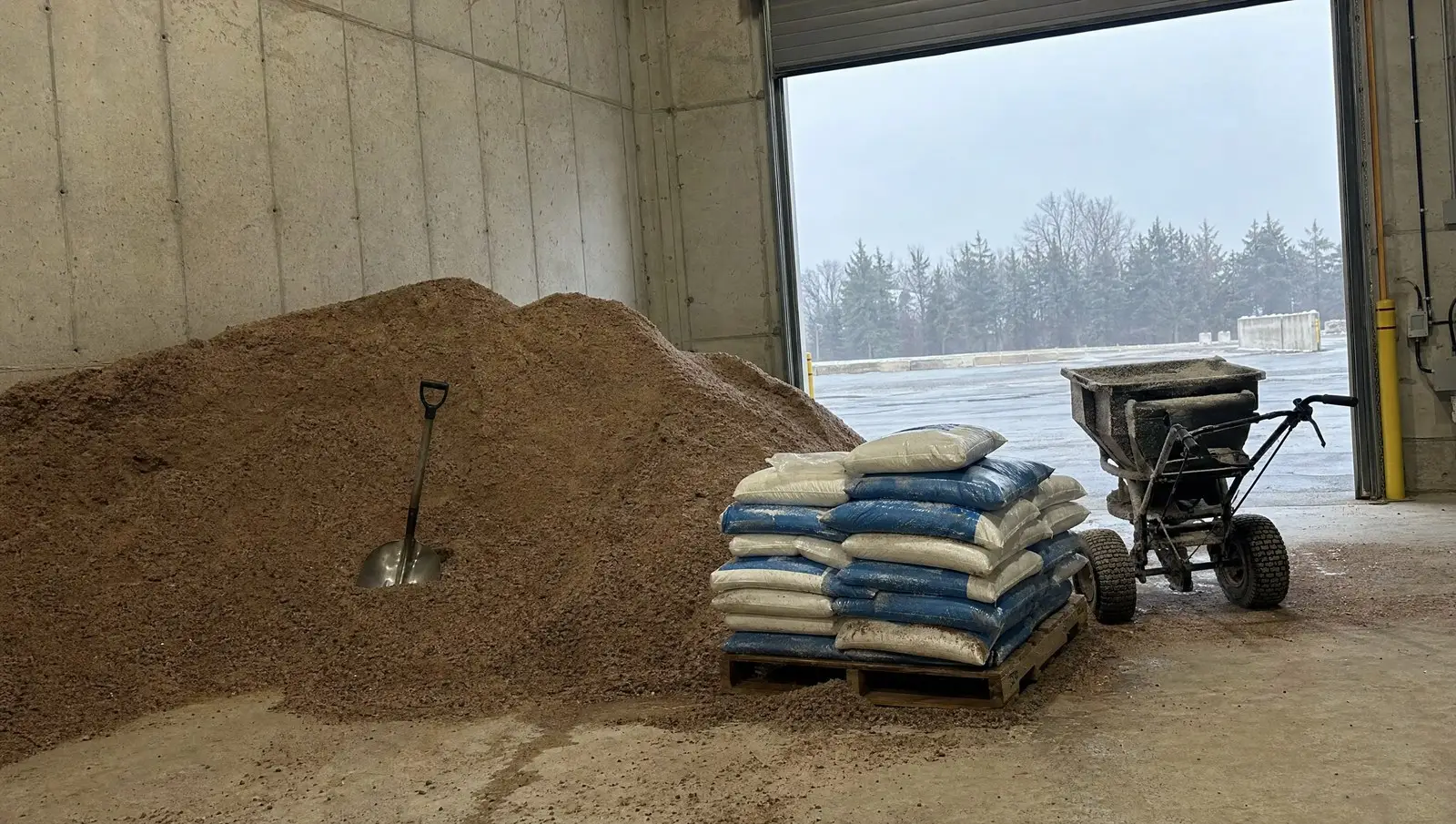
Rock salt (sodium chloride) is effective down to about 15 degrees Fahrenheit, which handles most Connecticut storms. When temperatures drop below that, which happens several times a winter along the shoreline, the crew should switch to a treated salt blend or add magnesium or calcium chloride, which stay active down to well below zero. If your contractor is using straight rock salt in a 5-degree cold snap, your walkways are not actually being deiced, they are being decorated. Ask what product they use at what temperature, and expect a clear answer.
Documentation is what protects you when a claim comes in
If a delivery driver slips on your sidewalk at 6:15 a.m. and files a claim three weeks later, your defense lives or dies on your snow contractor’s records. A commercial snow removal Connecticut vendor worth hiring will provide you with a service log for every event, showing the timestamp the crew arrived, what surfaces were plowed, what surfaces were salted, what product was used, how much was applied, and when the crew left. Some of the better outfits now use GPS tracking on trucks and time-stamped photos of cleared surfaces, which are exactly the kind of records an insurance carrier wants to see.
When you interview a contractor, ask them to show you the log format they send after a storm. If they cannot produce a sample, keep interviewing. This paperwork is not optional in commercial work, it is the difference between an insurance carrier settling and your property being on the hook.
What a full winter with a real contractor looks like
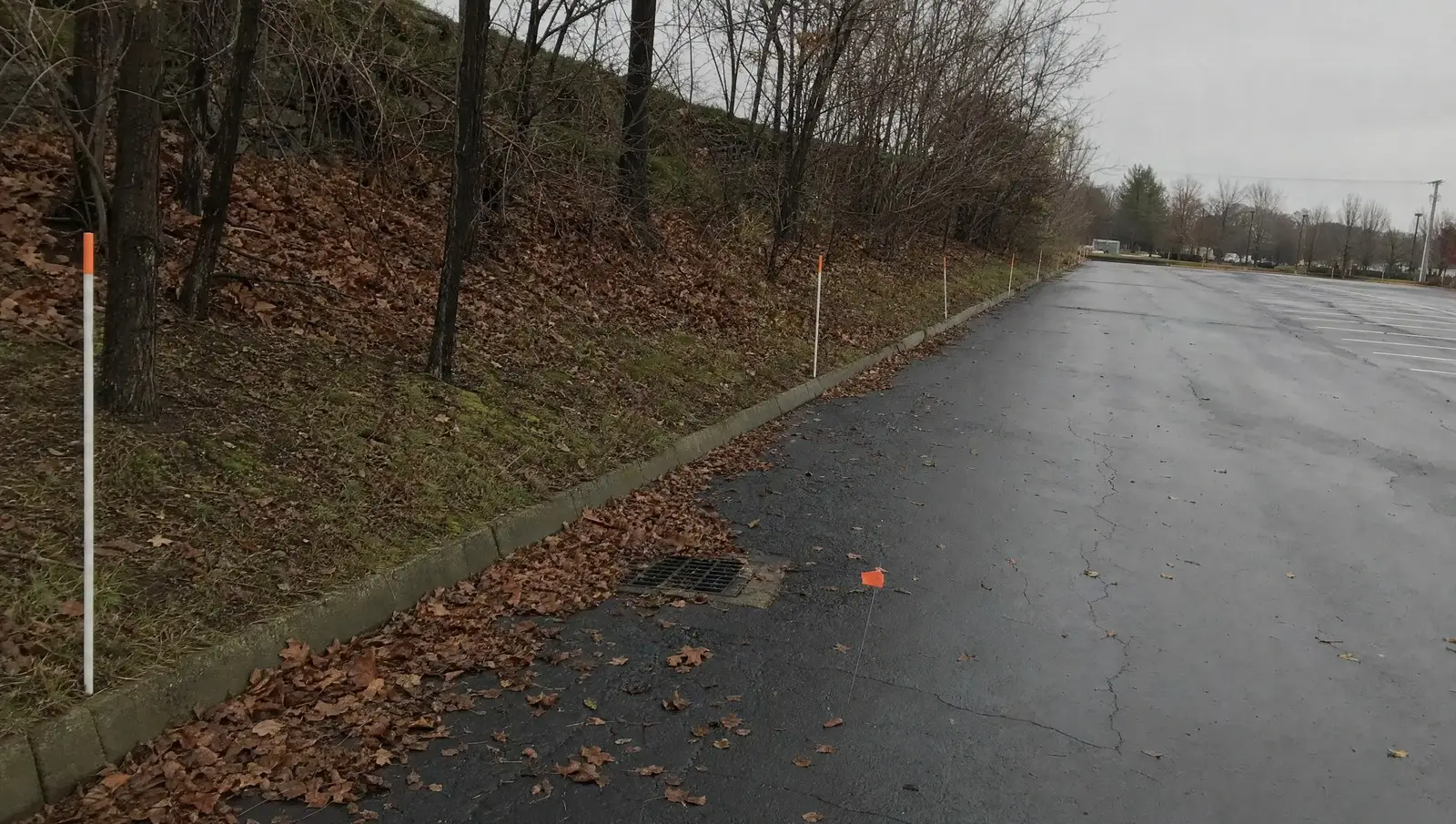
Signed contract in September. Pre-season site walk in October, where the crew flags every catch basin, hydrant, bollard, and landscape bed that needs to be protected from plow damage, and marks curb lines with stakes so nothing gets clipped in a whiteout. First pre-treatment goes down before the first storm of the year, usually late November or early December.
Through the winter, the crew is on your property at trigger depth, every event, no phone call needed. Service logs land in your inbox within 24 hours of each event. You get a mid-season check-in call to review what is working, and the crew adjusts routes or timing based on your building’s opening hours. At the end of March, when the last plowable storm has passed, they come back once more to sweep sand off drive lanes and rake the salt out of landscape beds, because leftover salt in the mulch will kill your plantings by June.
That is the standard. Anything less is a truck driver with a plow, not a commercial snow management program. For more detail on how we run this alongside our year-round grounds maintenance work, see how we structure residential property management contracts for HOA and condo boards, which follow the same seasonal-contract logic.
Questions to ask before you sign anything
- What is your guaranteed response time from trigger depth?
- How many properties does each truck cover on its route, and where does mine sit on that route?
- Is salting included, priced per application, or optional? What product do you use below 15 degrees?
- Do you provide a time-stamped service log after every event?
- What is your backup plan if a truck breaks down mid-storm?
- Are you licensed and insured for commercial work, and can you provide a certificate of insurance naming my property as additional insured?
- Do you handle sidewalks and ADA ramps in the same crew, or is that a separate subcontractor?
The last one matters more than most property managers realize. When plow trucks and sidewalk crews come from different companies, timing falls apart. The lot is cleared but the sidewalks are not, or the walkways get salted before the plow pass throws snow back onto them. A single contractor running both sides of the work is faster, cleaner, and easier to hold accountable.
The takeaway for Connecticut property managers
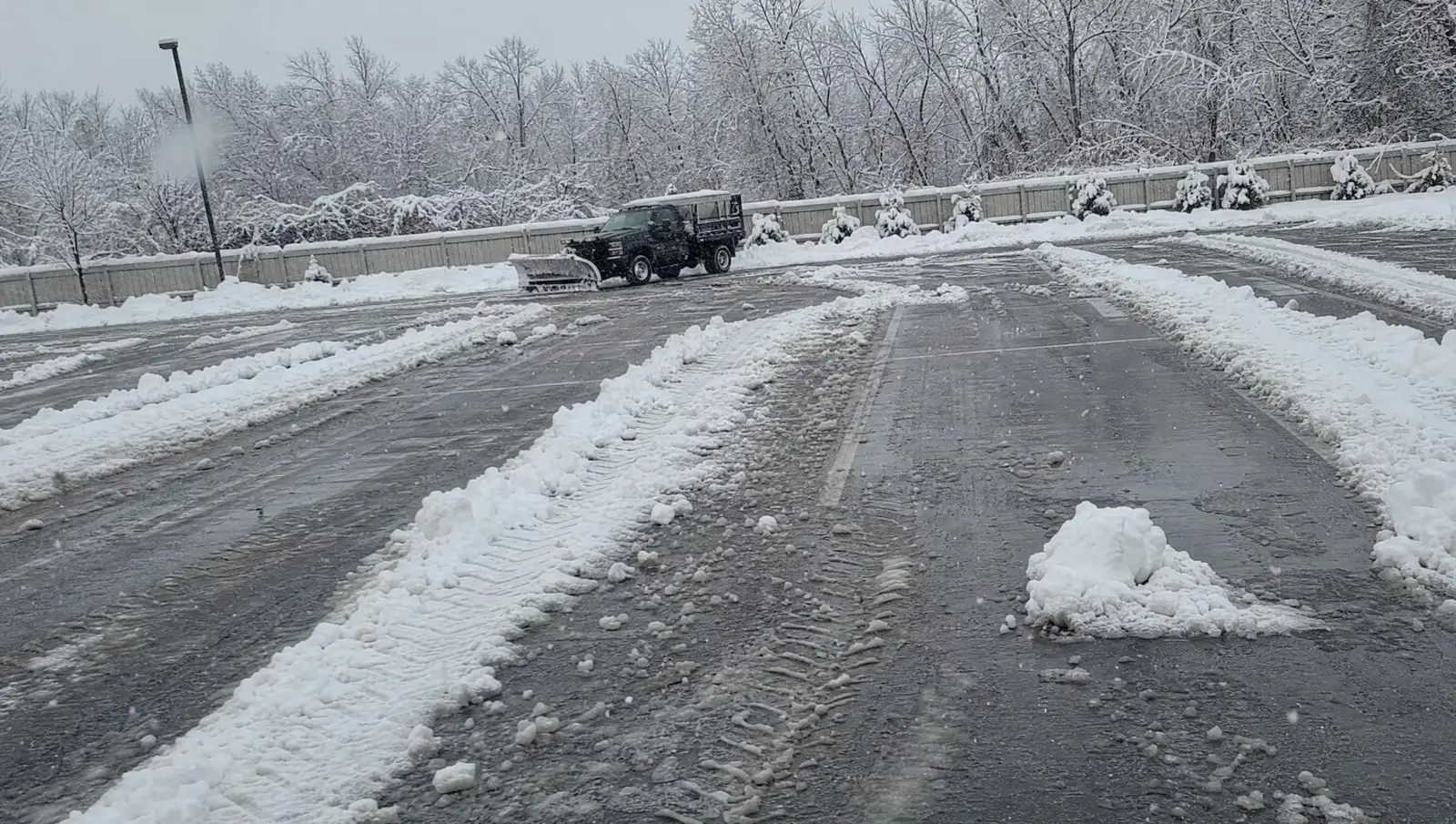
Commercial snow removal Connecticut properties actually need is not a phone number you call when it snows. It is a contract you signed in the fall, a crew with a route designed around your opening time, an ice-management program that runs before, during, and after every storm, and a paper trail that protects you when a claim shows up in April. According to the National Weather Service snowfall climatology for the Northeast, southeastern Connecticut averages 30 to 40 inches of snow per season, spread across a handful of significant events, which means the winter turns on how well your contractor handles the four or five storms that actually matter.
If you manage a commercial property, an HOA, a medical office, or an industrial site in New London County or anywhere else in Connecticut, get your winter contract locked before Halloween. If you want more on how we plan seasonal work, our blog covers grounds maintenance, hardscape, and snow management topics as the season shifts. Reach out early, ask the questions above, and pick the crew that can prove they have done it before, not the one with the cheapest number on the quote.